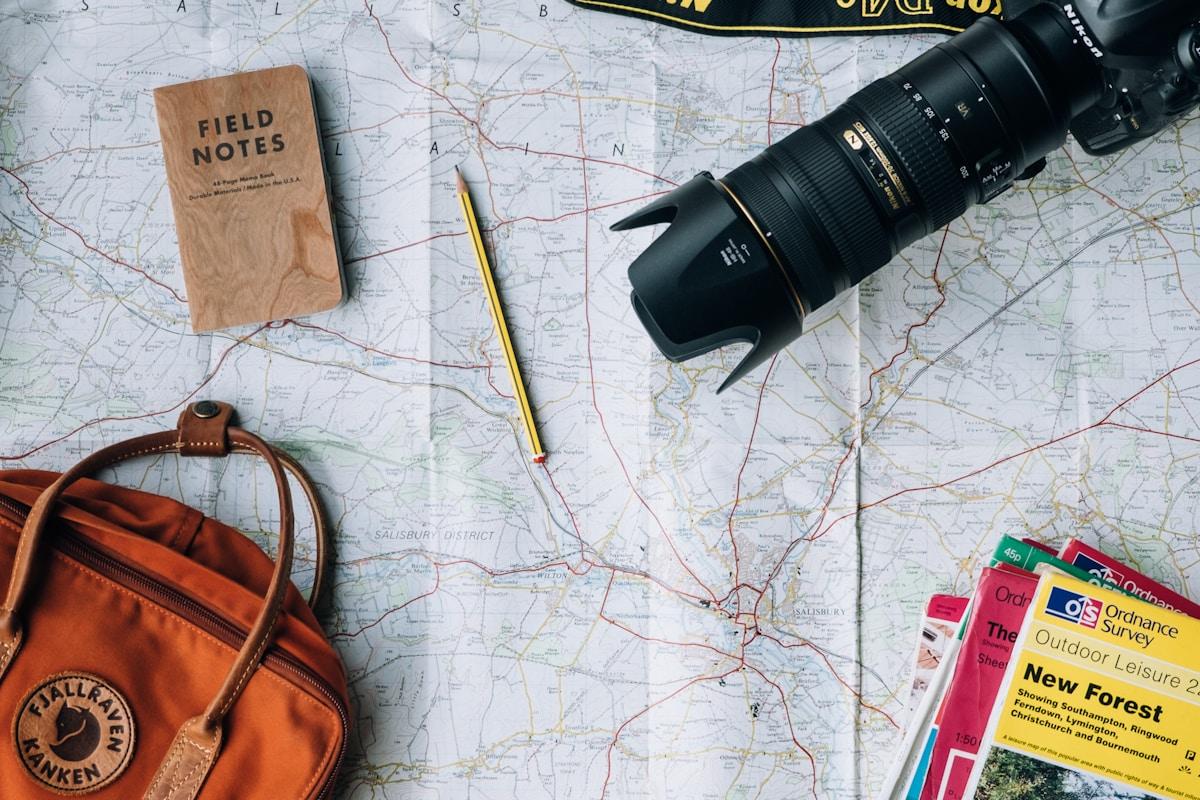
Budget Travel Hacks: How to See the World Without Breaking the Bank
Let’s be honest—when most people think about traveling the world, their first thought is usually about the cost. “I’d love to visit Thailand, but I can’t afford it.” “Europe sounds amazing, but it’s way too expensive.” Sound familiar?
Here’s the thing: travel doesn’t have to drain your bank account. I’ve learned this the hard way, and I’m here to tell you that with the right strategies and a bit of flexibility, you can explore incredible destinations without selling a kidney or living on instant ramen for a year.
The secret isn’t about cutting corners or sacrificing quality—it’s about being smart with your money and knowing where to look for deals. So grab a coffee (or make one at home to start saving right now), and let’s dive into the budget travel hacks that actually work.
Start With Your Mindset: Travel Is an Investment, Not a Luxury
Before we get into the nitty-gritty tactics, let’s talk mindset for a second. Too many people think travel is this unattainable luxury reserved for the wealthy or the Instagram influencers with mysterious income sources. But that’s simply not true.
Travel is an investment in yourself—in experiences, personal growth, and memories that’ll last way longer than that new phone or designer handbag. Once you shift your thinking from “I can’t afford to travel” to “How can I make travel happen?”, everything changes.
The first step? Set a clear intention. Maybe you want to backpack through Central America, explore the temples of Southeast Asia, or finally see the Northern Lights in Iceland. Whatever it is, write it down. Having a specific goal makes saving feel purposeful rather than restrictive.
The Art of Saving: Small Changes, Big Impact
Let’s talk about the elephant in the room: you need money to travel. But here’s the good news—you probably have more money available than you think. It’s just hiding in your daily spending habits.
Start by taking a hard look at your monthly subscriptions. That gym membership you haven’t used since January? Cancel it. The three streaming services you’re paying for but only watch one? Cut two. These small monthly expenses add up fast. If you skip your daily $5 coffee shop visit and make coffee at home instead, that’s $150 a month—or $1,800 a year. That’s a round-trip ticket to Europe right there.
Set up an automatic transfer to a dedicated travel savings account. Even if it’s just $50 or $100 a month, watching that balance grow is incredibly motivating. Some people even use apps that round up their purchases to the nearest dollar and save the difference. It’s painless, and before you know it, you’ve got a few hundred dollars stashed away.
Here’s another hack: practice mindful spending. Before buying something non-essential, give yourself a 24-hour cooling-off period. You’d be surprised how many impulse purchases you’ll avoid. Every time you resist buying something you don’t really need, transfer that amount to your travel fund. It’s like a game, and you’re winning every time you don’t spend.
Flights: The Biggest Expense and the Biggest Opportunity
Flights are usually the most expensive part of any trip, but they’re also where you can save the most money if you know what you’re doing. Let me share some strategies that have saved me thousands of dollars over the years.
First, timing is everything. For domestic flights, booking one to three months in advance typically gets you the best prices. For international flights, aim for two to eight months ahead. But here’s the kicker—be flexible with your dates. Flying on a Tuesday or Wednesday instead of Friday or Sunday can save you hundreds of dollars. Early morning or late-night flights (yes, the ones nobody wants) are often significantly cheaper.
Use flight comparison tools like Google Flights, Skyscanner, or Momondo. These sites let you see prices across multiple airlines at once. Google Flights has this amazing feature where you can search for flights to “anywhere” and see a map of prices to different destinations. Sometimes you’ll discover that flying to Portugal is actually cheaper than flying to New York, and suddenly your travel plans get a lot more interesting.
Here’s a pro tip that sounds almost too simple: use incognito mode or a VPN when searching for flights. Airlines and booking sites track your searches and can actually raise prices if they see you looking at the same route multiple times. Sneaky, right? Clear your cookies or go incognito to avoid this.
Consider budget airlines, but read the fine print. Airlines like RyanAir, EasyJet, and Spirit can offer incredibly cheap fares, but they charge for everything—checked bags, carry-ons, seat selection, even printing your boarding pass at the airport. If you’re traveling light with just a personal item, these airlines can be goldmines. If you need to check bags, sometimes a traditional airline ends up being cheaper once you add all the fees.
And speaking of bags, traveling carry-on only is one of the best money-saving decisions you can make. Not only do you avoid baggage fees (which can be $25-50 each way), but you also save time at the airport and eliminate the risk of lost luggage. Pack smart with packing cubes, wear your bulkiest items on the plane, and embrace the art of hand-washing a few items during your trip.
Accommodation: Where You Sleep Doesn’t Have to Cost a Fortune
After flights, accommodation is typically your next biggest expense. But here’s where things get really interesting, because there are so many creative options beyond traditional hotels.
Let’s start with the obvious: Airbnb and vacation rentals. These can be fantastic, especially if you’re traveling with a group or staying somewhere for a week or more. Many hosts offer weekly or monthly discounts. Plus, having a kitchen means you can cook some of your own meals, which saves a ton on food costs. Just be aware that Airbnb fees can sometimes make them less competitive than hotels, so always compare.
Now, let’s talk about hostels. I know what you’re thinking—”Aren’t hostels just for broke college kids sleeping in bunk beds?” Not anymore. Modern hostels have evolved dramatically. Many offer private rooms that are cleaner and more comfortable than budget hotels, at a fraction of the price. We’re talking $20-40 a night in places where hotels cost $100+. Plus, hostels often have kitchens, free breakfast, and common areas where you can meet other travelers. Some of my best travel friendships started in hostel common rooms.
Want to go even cheaper? Consider house-sitting or home exchanges. Websites like TrustedHousesitters connect travelers with homeowners who need someone to watch their house and pets while they’re away. You get free accommodation (sometimes in amazing places), and they get peace of mind. It’s a win-win. I know people who’ve house-sat in villas in Tuscany, apartments in Paris, and beach houses in Bali—all for free.
Couchsurfing is another option if you’re comfortable staying with locals. It’s not just about free accommodation; it’s about cultural exchange. Your host can give you insider tips on the best local spots that no guidebook will tell you about. Just be sure to read reviews carefully and trust your instincts.
Here’s a strategy that works surprisingly well: mix high-end with budget-friendly. Splurge on one or two nights at a nice hotel (ideally at the end of your trip when you’re tired), and balance it with budget accommodations the rest of the time. You get to experience a bit of luxury without blowing your entire budget.
Destination Matters: Where Your Dollar Goes Further
Not all destinations are created equal when it comes to budget travel. Some places are naturally more affordable due to lower costs of living or favorable exchange rates.
Southeast Asia remains the king of budget travel. Countries like Vietnam, Thailand, Cambodia, Laos, and Indonesia offer incredible experiences for $25-40 a day, including accommodation, food, and activities. You can eat amazing street food for $2-3, stay in decent hostels or guesthouses for $10-15, and still have money left for activities. I’ve had $1 beers on beaches in Thailand and $3 massages in Vietnam. It’s almost ridiculous how far your money goes.
Eastern Europe is another budget traveler’s paradise. Albania, Bulgaria, Romania, Poland, and Hungary offer rich history, stunning architecture, and delicious food at prices that’ll make Western Europe weep. You can explore medieval towns, hike in beautiful mountains, and enjoy world-class cuisine for a fraction of what you’d pay in Paris or London.
Central and South America also offer fantastic value. Mexico (outside the resort areas), Guatemala, Nicaragua, Bolivia, and Ecuador are incredibly affordable. Plus, if you’re coming from North America, the flights are often cheaper than going to Europe or Asia.
Here’s a clever trick: look for “destination dupes”—places that offer similar experiences to expensive destinations but at lower prices. Want a European experience without European prices? Try Quebec instead of Paris. Craving wine country? The Finger Lakes in New York offer a similar vibe to Tuscany or Napa at a fraction of the cost. Want beaches and culture? Consider Albania instead of Greece, or the Philippines instead of the Maldives.
Timing Is Everything: The Magic of Off-Season Travel
One of the biggest budget travel secrets is traveling during the off-season or shoulder season. This simple shift in timing can save you 20-30% on accommodation and 15-20% on flights, plus you’ll deal with fewer crowds and often get better service.
The shoulder season—just before or after peak tourist season—is the sweet spot. You still get decent weather, but prices drop significantly. For example, visiting Europe in May or September instead of July or August can save you hundreds of dollars while still giving you beautiful weather and long days.
Off-season travel can be even cheaper, though you need to be strategic. Visiting Iceland in winter means shorter days and colder weather, but you’ll save a fortune on accommodation and have a better chance of seeing the Northern Lights. Plus, winter in Iceland means you can soak in hot springs while snow falls around you—pretty magical if you ask me.
Avoid traveling during major holidays, school breaks, and peak summer months if you want to save money. I know it’s not always possible, especially if you have kids or limited vacation time, but even shifting your trip by a week or two can make a significant difference.
Food: Eat Like a Local, Save Like a Pro
Food is one of the best parts of travel, and the good news is that eating well doesn’t have to be expensive. In fact, some of the best meals I’ve had while traveling have been the cheapest.
The golden rule: eat where the locals eat. If you see a restaurant full of tourists, keep walking. Ask locals for recommendations, or look for places packed with people who live there. Not only will the food be more authentic and delicious, but it’ll also be significantly cheaper.
Street food is your friend. In many countries, street food isn’t just cheap—it’s often the best food you’ll find. Some of my most memorable meals have been $2 pad thai from a street cart in Bangkok or $1 tacos from a stand in Mexico City. Just use common sense: look for vendors with high turnover (meaning the food is fresh) and follow the crowds.
If your accommodation has a kitchen, use it. Hit up local markets and grocery stores, buy fresh produce and local ingredients, and cook a few meals. Not only will you save money, but shopping at local markets is a cultural experience in itself. Plus, you can splurge on a nice restaurant meal without guilt when you’ve saved money cooking other meals.
Here’s a hack that works everywhere: make lunch your main meal. In many countries, restaurants offer lunch specials or prix fixe menus that are significantly cheaper than dinner, often with the same quality food. You can have a fancy lunch for $10-15 and then grab something simple for dinner.
Pack snacks for day trips. A bag of fruit, nuts, or granola bars can prevent you from making expensive impulse purchases when you’re hungry and tired. Bring a reusable water bottle too—it’s better for the environment and saves you from buying bottled water constantly.
Transportation: Getting Around Without Getting Broke
Once you’re at your destination, transportation costs can add up quickly if you’re not careful. But there are plenty of ways to get around affordably.
Public transportation is almost always your best bet. Most cities have extensive bus and metro systems that are cheap, efficient, and give you a real sense of local life. A day pass or multi-day pass often offers unlimited travel for a fraction of what you’d pay for taxis or rideshares. Plus, navigating public transport in a foreign city is part of the adventure.
Walking is free and often the best way to explore a city. You’ll discover hidden gems, stumble upon local neighborhoods, and get a feel for a place that you’d never get from a car or bus. Download offline maps on your phone so you can navigate without using data.
If you need a taxi or rideshare, use apps like Uber, Lyft, Grab, or Bolt. They’re usually cheaper and safer than traditional taxis, and you don’t have to worry about being overcharged or dealing with language barriers. In some countries, carpooling apps like BlaBlaCar offer cheap long-distance travel between cities.
For longer distances, consider overnight buses or trains. Yes, you’ll sacrifice a bit of comfort, but you’ll save money on both transportation and a night’s accommodation. I’ve taken overnight buses across South America and overnight trains through Europe, and while they’re not luxury experiences, they’re perfectly fine and save a ton of money.
Here’s a strategy that works well: travel slowly. Instead of trying to see five countries in two weeks, spend more time in fewer places. Not only will you save on transportation costs, but you’ll also get weekly or monthly discounts on accommodation and have a more meaningful, less rushed experience.
Activities and Attractions: Free and Cheap Fun
You don’t need to spend a fortune on activities to have an amazing trip. Some of the best experiences are free or very cheap.
Start by looking for free walking tours. Many cities offer these—they’re usually tip-based, so you pay what you think it’s worth at the end. You’ll learn about the city’s history and culture, get oriented, and often get great recommendations from your guide.
Many museums and attractions offer free entry on certain days or times. Do your research before you go. In London, most major museums are free. In Paris, many museums are free on the first Sunday of each month. Take advantage of these opportunities.
Nature is free. Beaches, parks, hiking trails, and viewpoints don’t cost anything. Some of my favorite travel memories are from free activities: watching the sunset from a beach in Bali, hiking to a waterfall in Costa Rica, or simply wandering through neighborhoods in Barcelona.
Look for free events and festivals. Cities often have free concerts, markets, cultural celebrations, and community events. Check local tourism websites or ask at your accommodation for what’s happening during your visit.
When you do pay for activities, look for group discounts or combo tickets. Apps like Groupon or GetYourGuide often have deals on tours and attractions. Sometimes booking directly with a tour operator instead of through your hotel can save you money too.
The Credit Card Game: Rewards That Actually Work
I know credit cards can be controversial, but if used responsibly, travel credit cards can be incredibly valuable. I’m not talking about going into debt—I’m talking about using cards strategically for purchases you’d make anyway and paying them off in full each month.
Many travel credit cards offer sign-up bonuses that can be worth hundreds of dollars in travel. For example, spend $3,000 in the first three months and get 50,000 points—enough for a free round-trip flight. If you’re planning a big purchase anyway (like a new laptop or furniture), timing it with a new card can be smart.
Look for cards with no foreign transaction fees. Many cards charge 3% on international purchases, which adds up fast. Cards like Chase Sapphire Preferred, Capital One Venture, or various airline-specific cards waive these fees.
Use your card for everyday expenses—groceries, gas, bills—and rack up points. Just make sure you’re paying off the balance in full each month. Those points can add up to free flights, hotel stays, or statement credits for travel expenses.
Some cards offer perks beyond points: free checked bags, airport lounge access, travel insurance, and credits for TSA PreCheck or Global Entry. These benefits can save you hundreds of dollars per year.
The Bottom Line: Travel Is Possible for Everyone
Here’s what I want you to take away from all this: budget travel isn’t about deprivation or suffering. It’s about being intentional with your money and making smart choices that allow you to travel more often and for longer.
You don’t need to be rich to see the world. You need to be resourceful, flexible, and willing to do things a bit differently than the average tourist. Some of my best travel experiences have happened because I was on a budget—staying in hostels led to lifelong friendships, eating street food introduced me to incredible flavors, and taking local buses gave me authentic cultural experiences I’d never have had in a tour bus.
Start small if you need to. Take a weekend trip to a nearby city using these strategies. See how much you can save. Build your confidence and your travel fund. Before you know it, you’ll be planning that dream trip to Southeast Asia or South America.
The world is waiting for you, and it’s more accessible than you think. So stop making excuses, start saving, and get out there. Your adventure is calling, and it doesn’t have to cost a fortune.
Safe travels, and remember—the best investment you can make is in experiences, not things. Now go book that trip.